

The Exchange: Tom Zimberoff on Portrait Photography
A thoughtful conversation about identity, responsibility, and the quiet collaboration that happens when a photographer meets a subject.
All photographs by Tom Zimberoff.
Actor, martial artist, and filmmaker Jackie Chan, photographed in Los Angeles.
A portrait can be found not only in stillness, but in movement—in the fleeting expression that reveals something true.
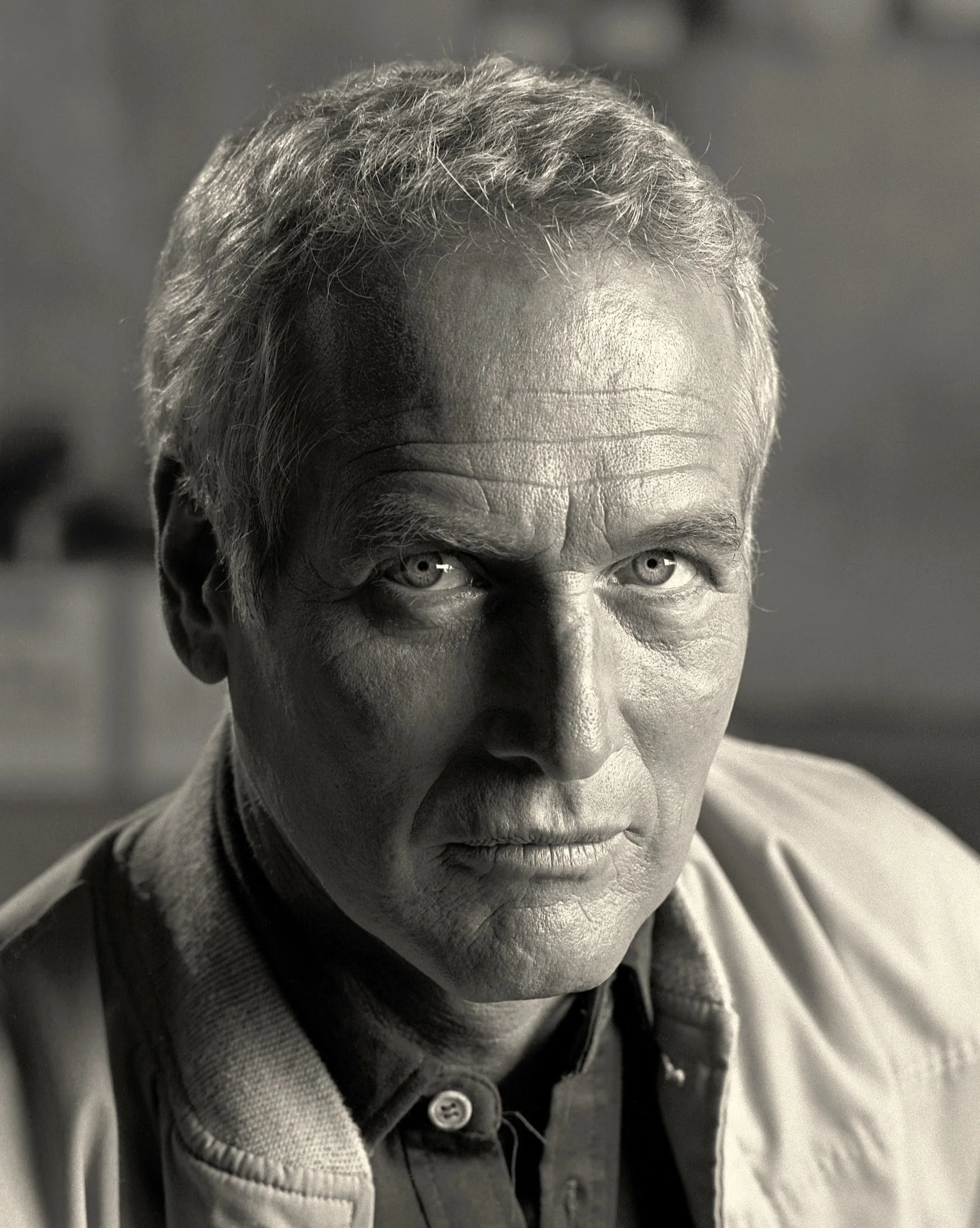
Portrait photography holds a unique place within the photographic tradition. At its best, it reveals something meaningful about a person—an aspect of character, presence, or experience that emerges in a particular moment between photographer and subject.
Few photographers have thought as deeply about this exchange as Tom Zimberoff. Over the course of his career, he has photographed everyone from cultural icons to people far outside the public spotlight, always approaching the encounter with the same deliberate attention to the moment of exchange between photographer and subject. A portrait, he suggests, can never distill the entirety of a person’s identity; at best, it reveals one aspect of character present during a particular encounter.
In this conversation with Photo Artfolio, Zimberoff reflects on what makes portraiture distinct from other forms of photography, the ethical responsibilities of photographing another person, and why a portrait must ultimately stand on its own.
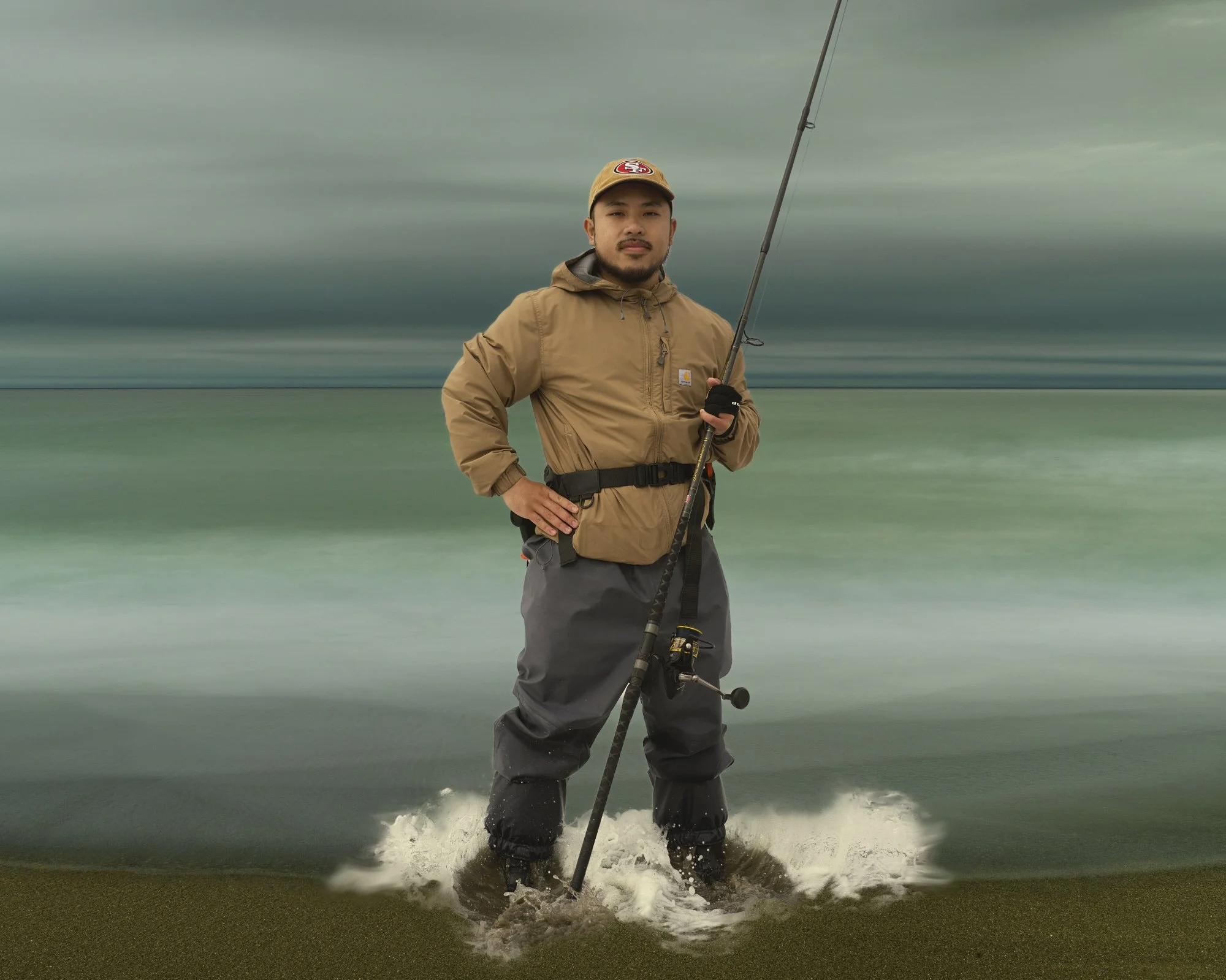
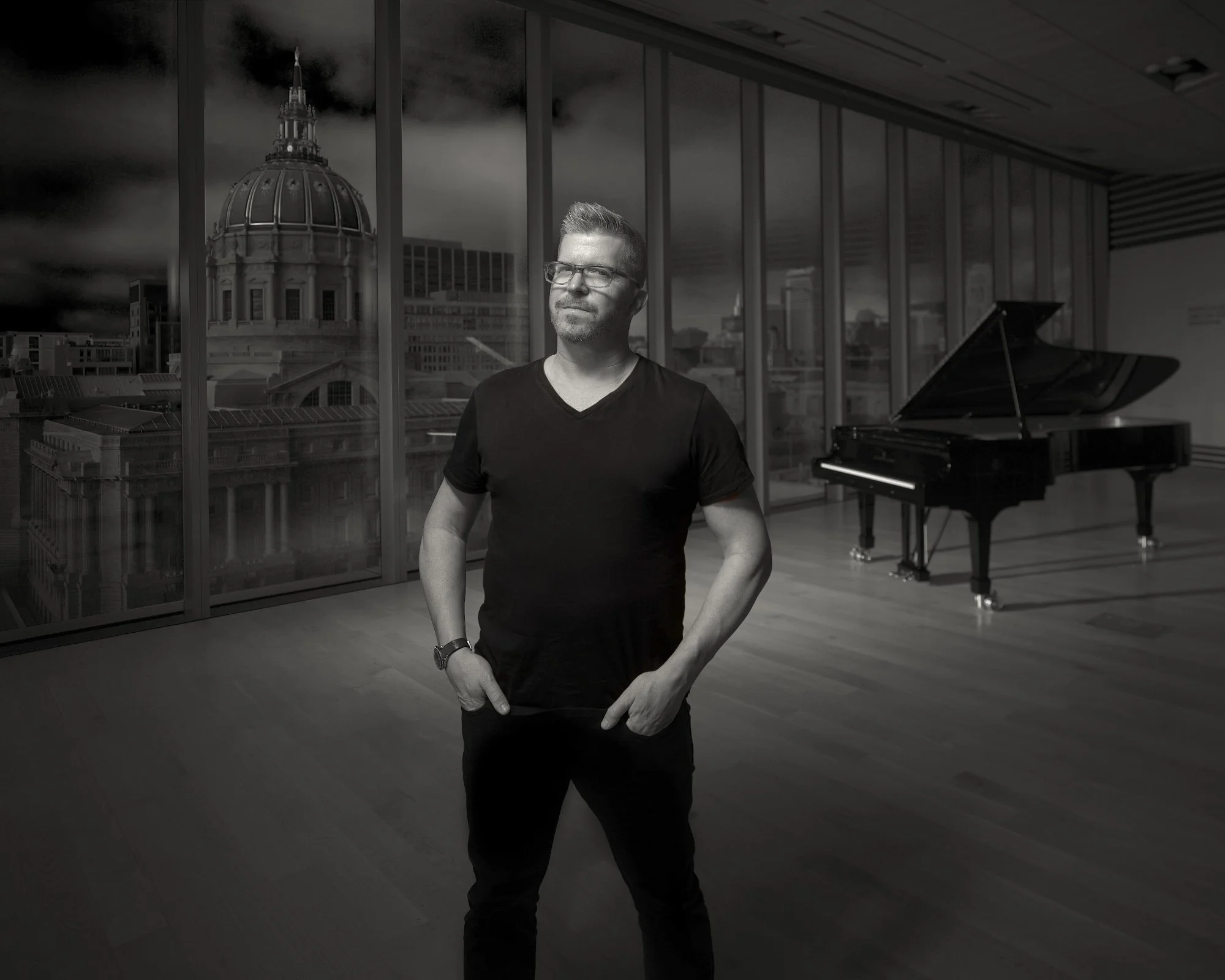
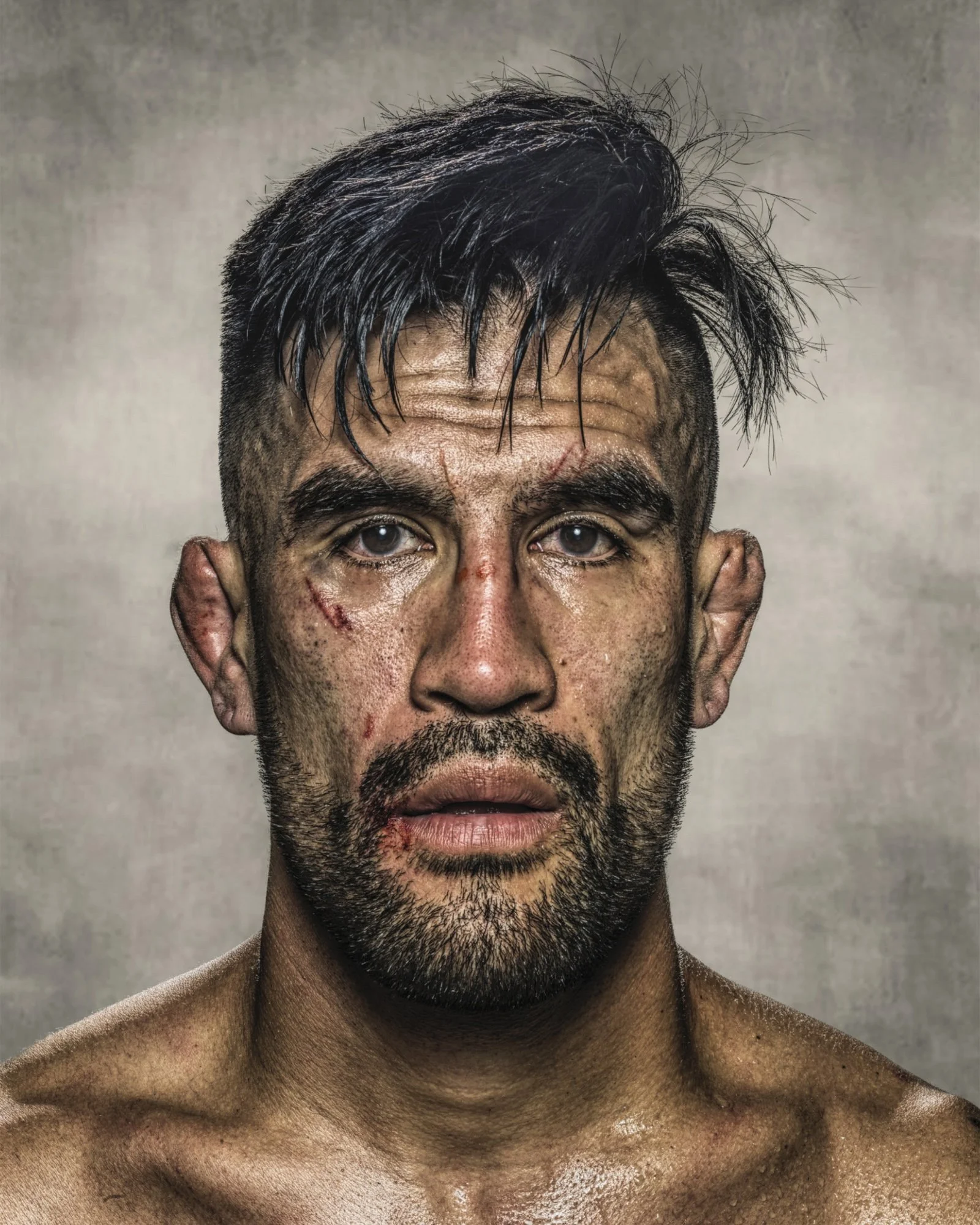
What makes a portrait truly about its subject?
For Tom Zimberoff, portraiture is not something a photographer simply takes—it’s something that emerges through an encounter. A portrait involves a subtle exchange between photographer and subject, even if that exchange happens in a brief moment.
The photographer shapes the frame, the light, and the moment, but the image ultimately reveals someone else’s presence. The subject’s individuality—gesture, posture, expression, even unpredictability—must come forward in the photograph.
“Portraiture is an exchange, not a unilateral act.”
A successful portrait, Zimberoff believes, should be able to stand on its own. It should not rely on extensive captions or surrounding images to create meaning. While context can enrich our understanding, the portrait itself must carry the psychological weight of the encounter.
What matters most is identity. A portrait should reveal enough character for the viewer to sense something about the person beyond surface description. It is not simply a depiction of a face or body; it is an attempt to disclose the presence of a person.
When portraiture succeeds, the viewer becomes aware that someone real stands behind the image—someone with a life, a temperament, and a story that extends beyond the frame.
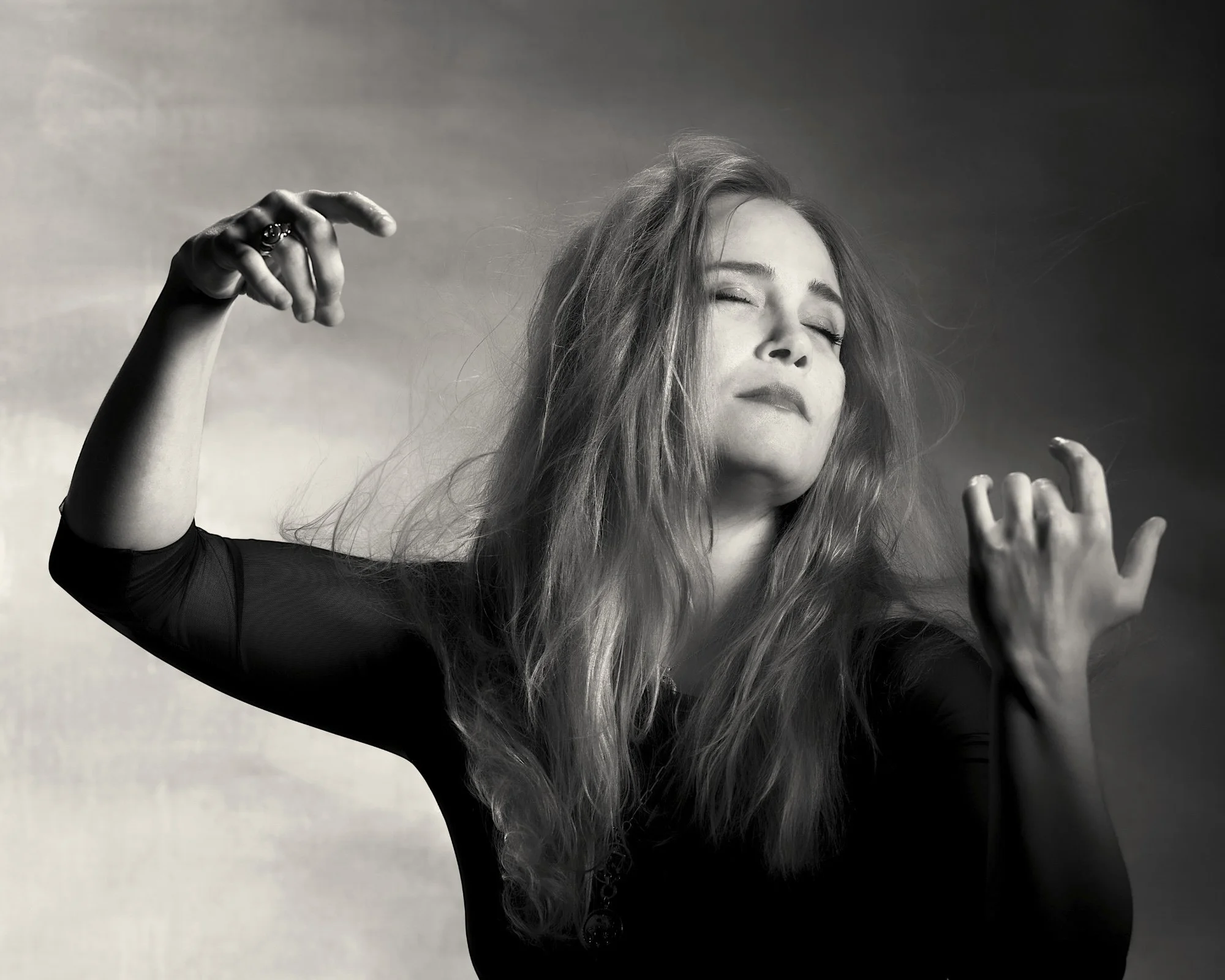
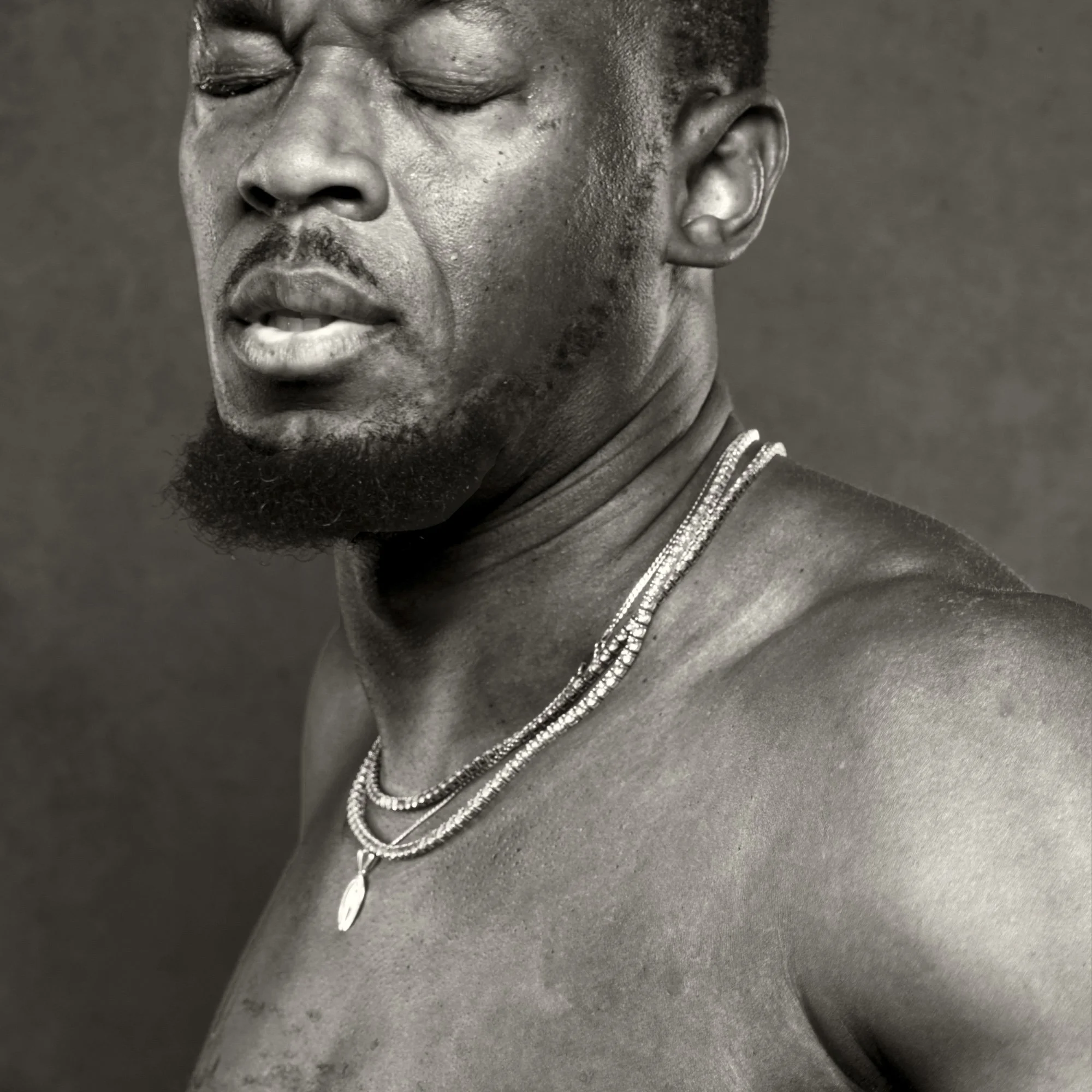
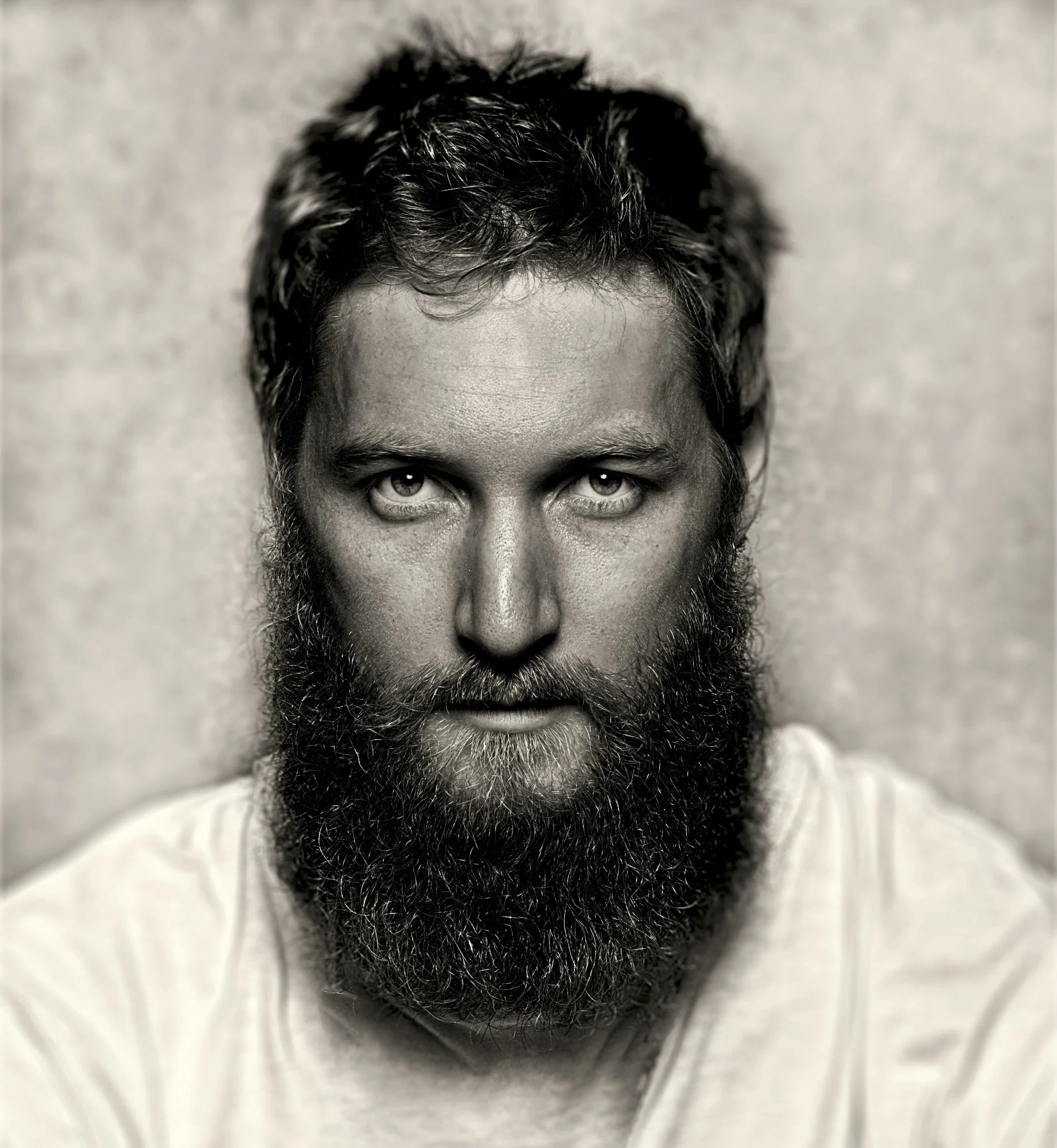
What responsibility does a portraitist have to the person in front of the camera?
For Zimberoff, the ethical dimension of portraiture became especially clear during a later assignment for Time magazine, when he was sent to photograph homelessness in San Francisco.
A young man sleeping rough on the street implored him not to take his photograph. With disarming sincerity, he explained that he did not want his family to see him like that. Zimberoff understood that the man meant not only in that moment, but indefinitely—once captured on film, the image might define him in the eyes of others long after his life had changed.
Zimberoff stopped immediately and returned to the magazine office without completing the assignment.
The moment changed how he thought about photographing people.
“Once the camera gets that close, the subject can no longer remain anonymous evidence. They are a person.”
For him, portraiture cannot be an act of extraction. When the photographer engages someone directly, the relationship shifts. The subject is no longer simply illustrating a condition or a social issue; they are an individual whose dignity and identity must remain central to the image.
That perspective shapes how he approaches difficult subjects today. Rather than allowing context or circumstance to dominate the image, he often seeks ways to create a setting where the person can participate in how they are seen—through posture, expression, and presence.
The goal is not to aestheticize suffering, but to ensure the person does not disappear behind it.
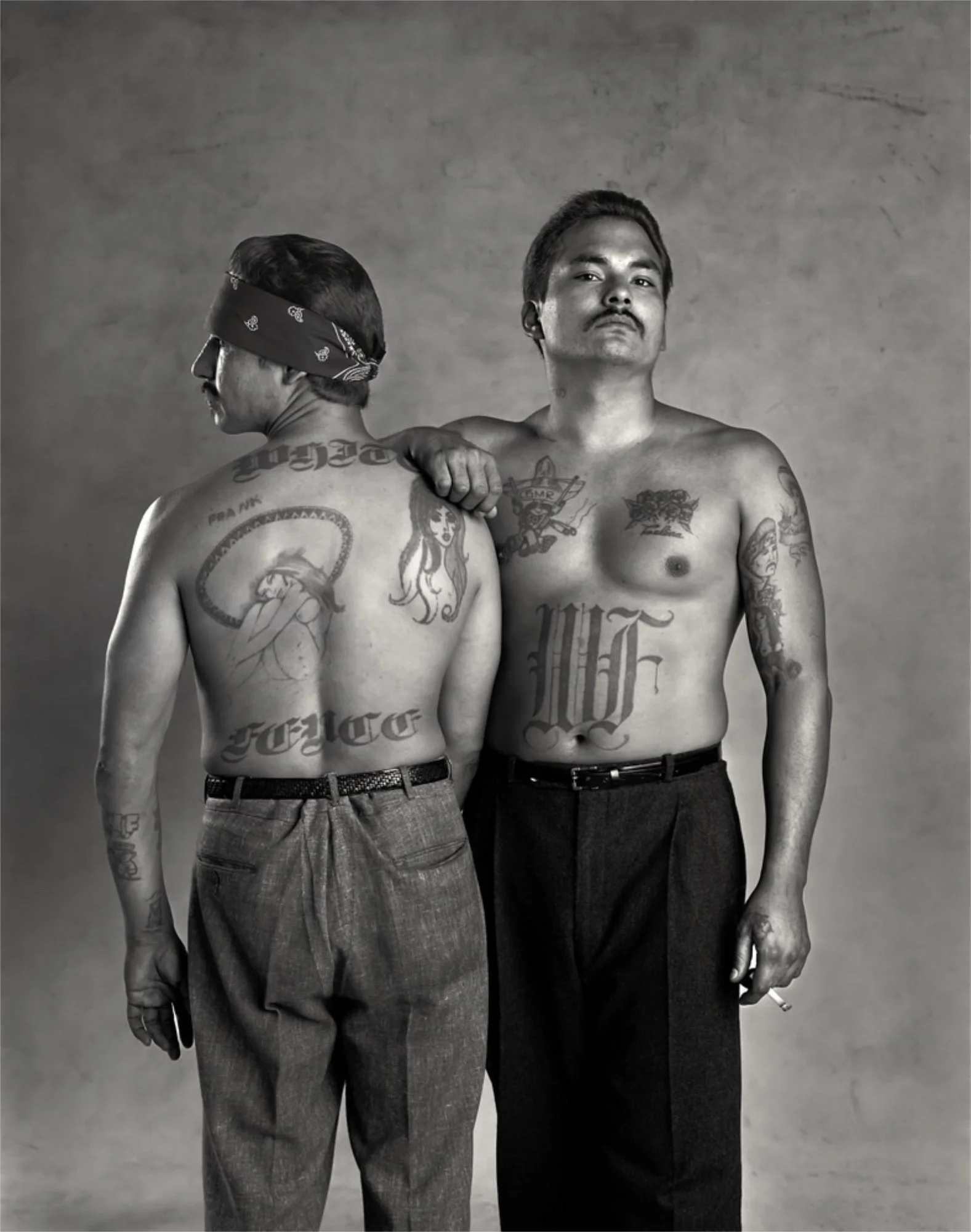
Tatt Two White Fence
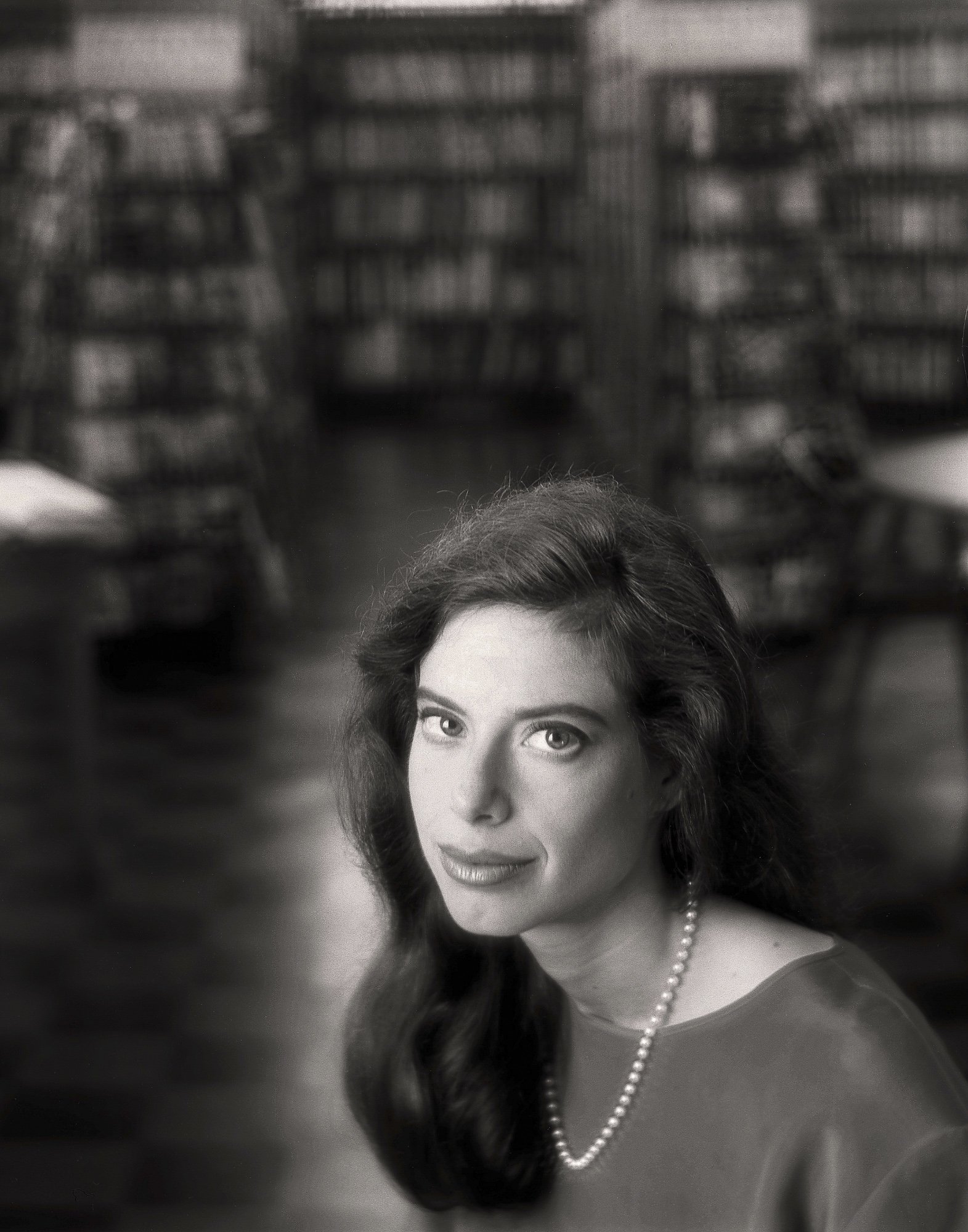
Susan Faludi
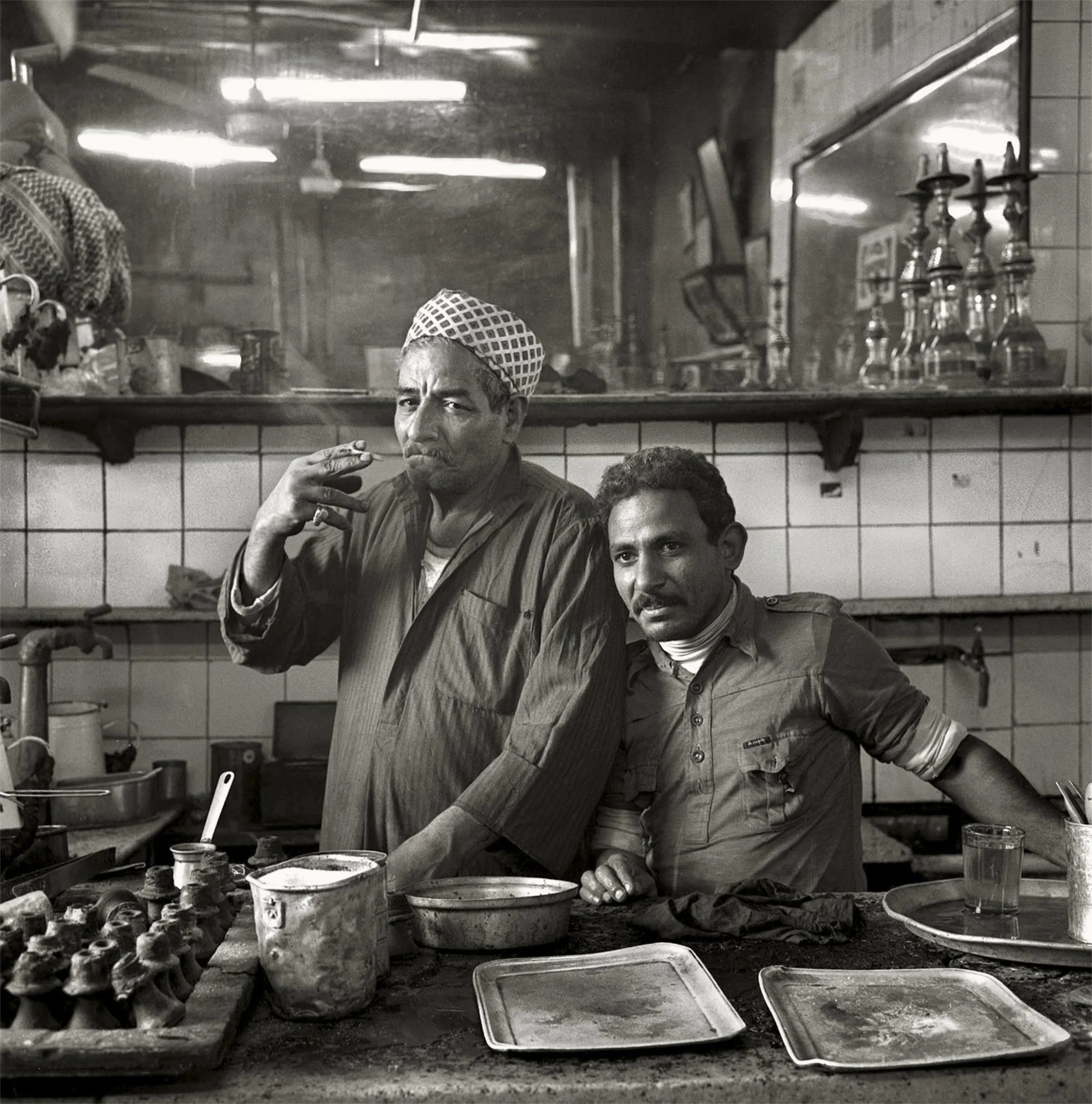
Cairo Tea Shop
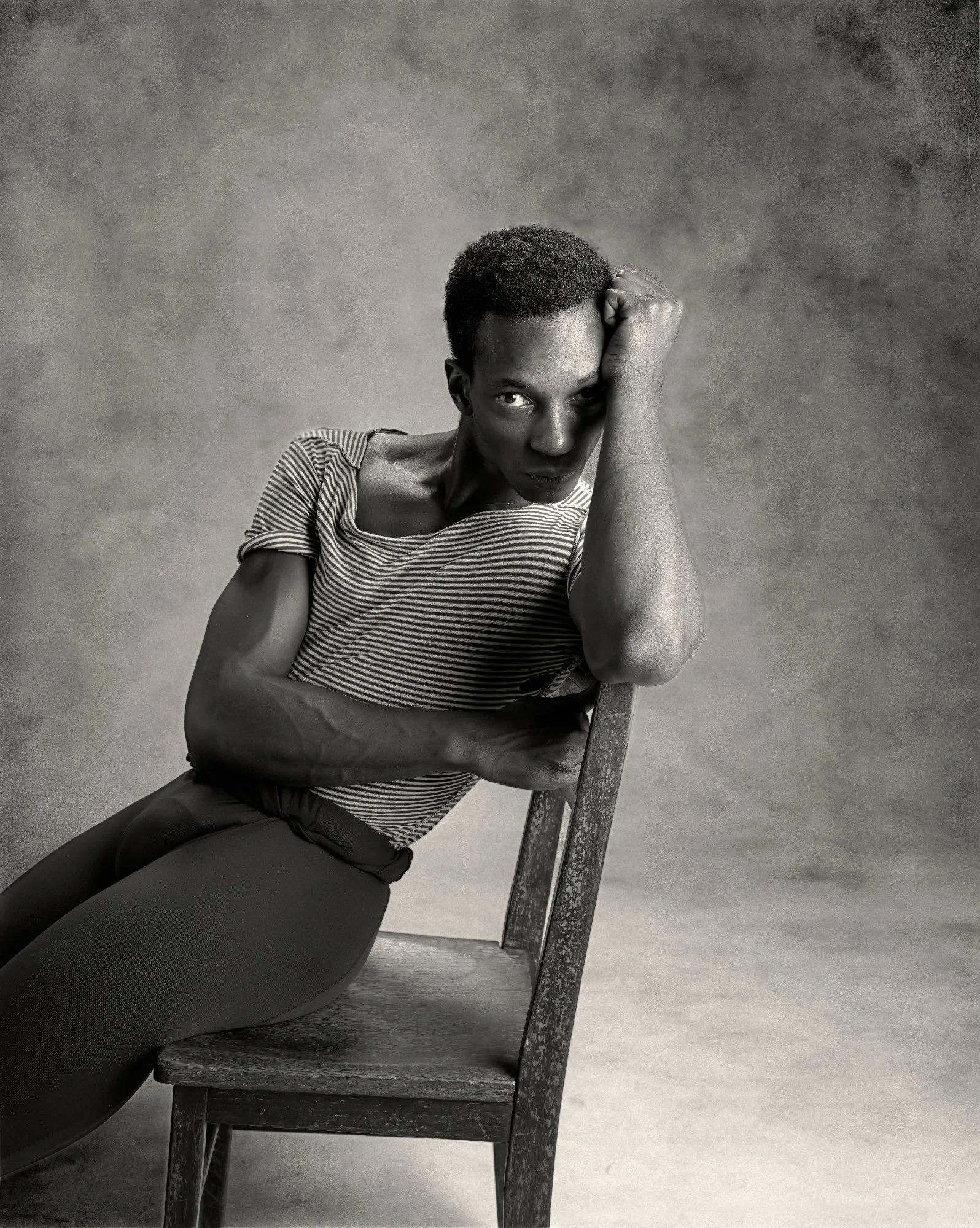
Christopher Boatwright
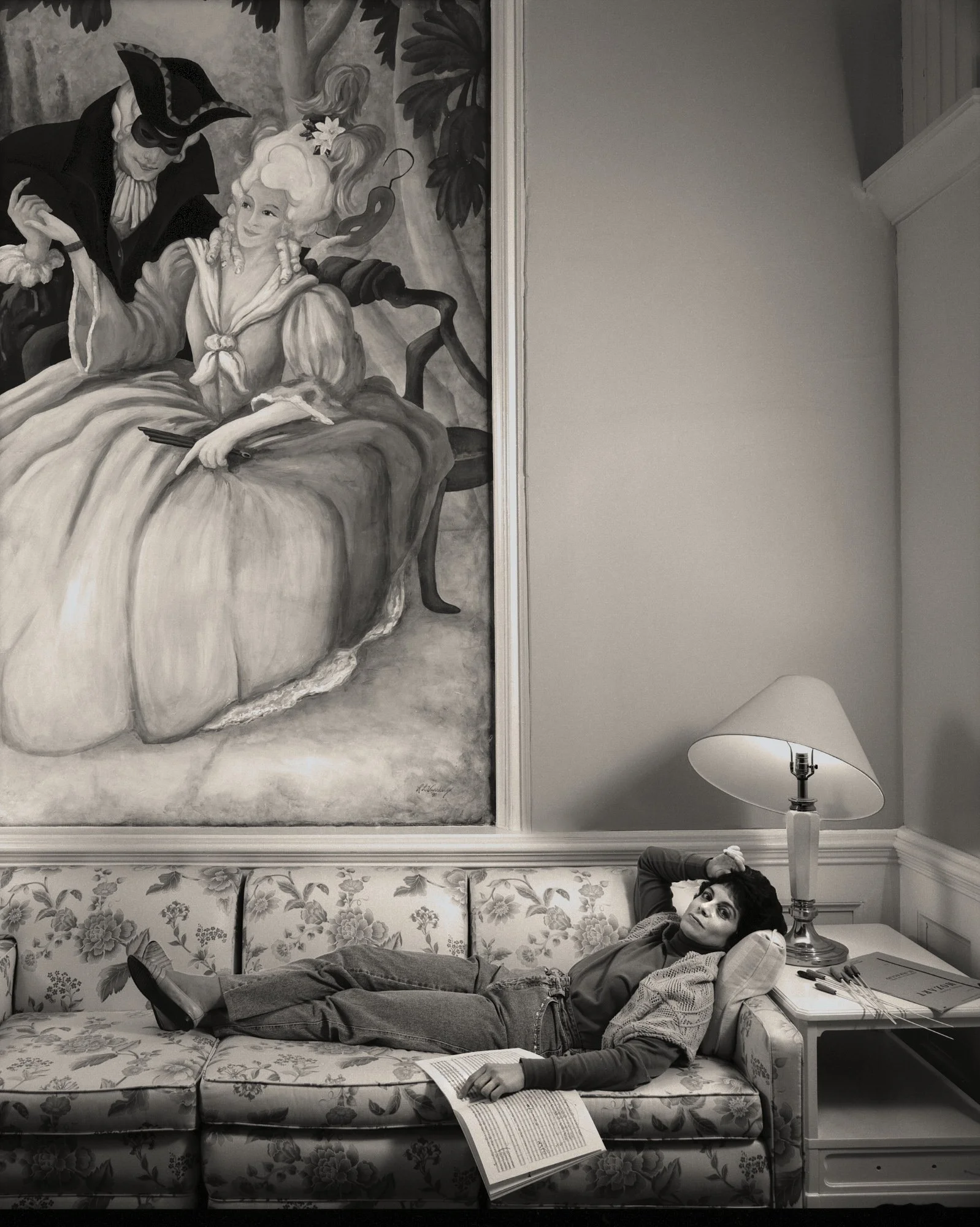
Maestro JoAnn Faletta
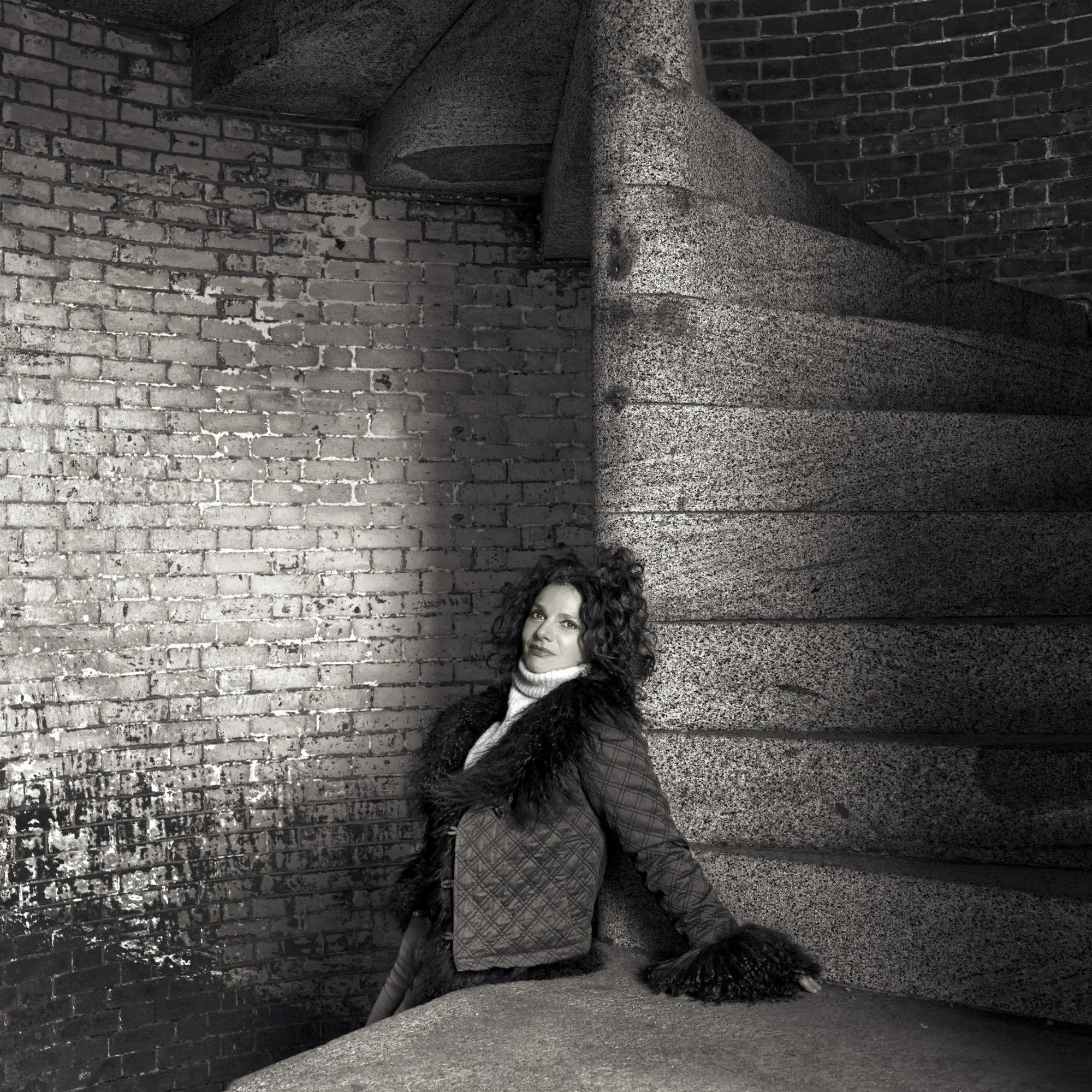
Silvia Poloto
Whether photographing a celebrity or someone unknown, what remains constant in your approach?
While the circumstances may change, Zimberoff says the core of portraiture remains the same: intentionality.
“A portrait is made, not taken.”
Every portrait begins with preparation and anticipation. The photographer considers lighting, composition, and structure before even raising the camera, though those plans may shift once the subject enters the frame.
Fame itself can be performative, but it does not eliminate vulnerability. In some cases, it may even heighten it. Regardless of whether a subject is widely known or entirely anonymous, the portrait ultimately depends on the same element: an awareness shared between photographer and subject.
Even moments that appear spontaneous rarely occur by accident. They grow out of an implicit agreement between both parties—a shared understanding that something about the subject may be revealed within the photograph.
Tools, locations, and circumstances may change, but the essential premise remains constant: a portrait reflects the participation of both people involved in making it.
Where is portraiture most misunderstood today?
In Zimberoff’s view, one of the greatest misunderstandings surrounding portraiture today is definitional. The word “portrait” has become so elastic that nearly any photograph containing a person is often labeled as portraiture.
But different photographic genres operate under different intentions and standards.
Documentary photography reports. Journalism bears witness. Conceptual work advances ideas or arguments. Portraiture, however, has a distinct mandate: to render a person with clarity, structure, and communicative force.
“Portraiture requires its own standards, not because it is superior to other genres, but because without clear definitions the term itself loses meaning.”
When those distinctions blur, the subject of the photograph can sometimes recede behind the photographer’s concept or thesis. Strong portraiture maintains the opposite priority: the person remains central.
The photographer’s craft—light, composition, and design—exists to illuminate that presence rather than replace it.
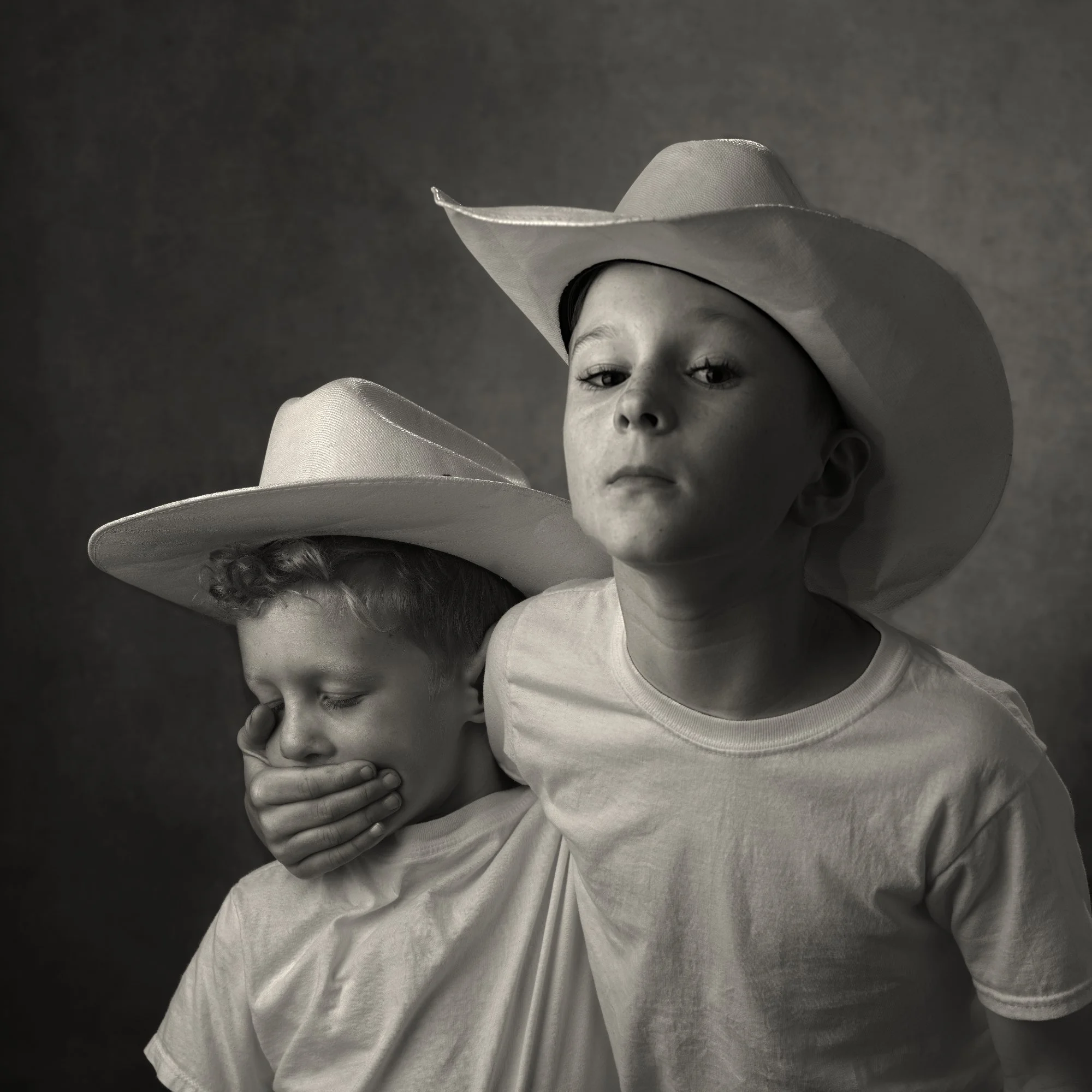
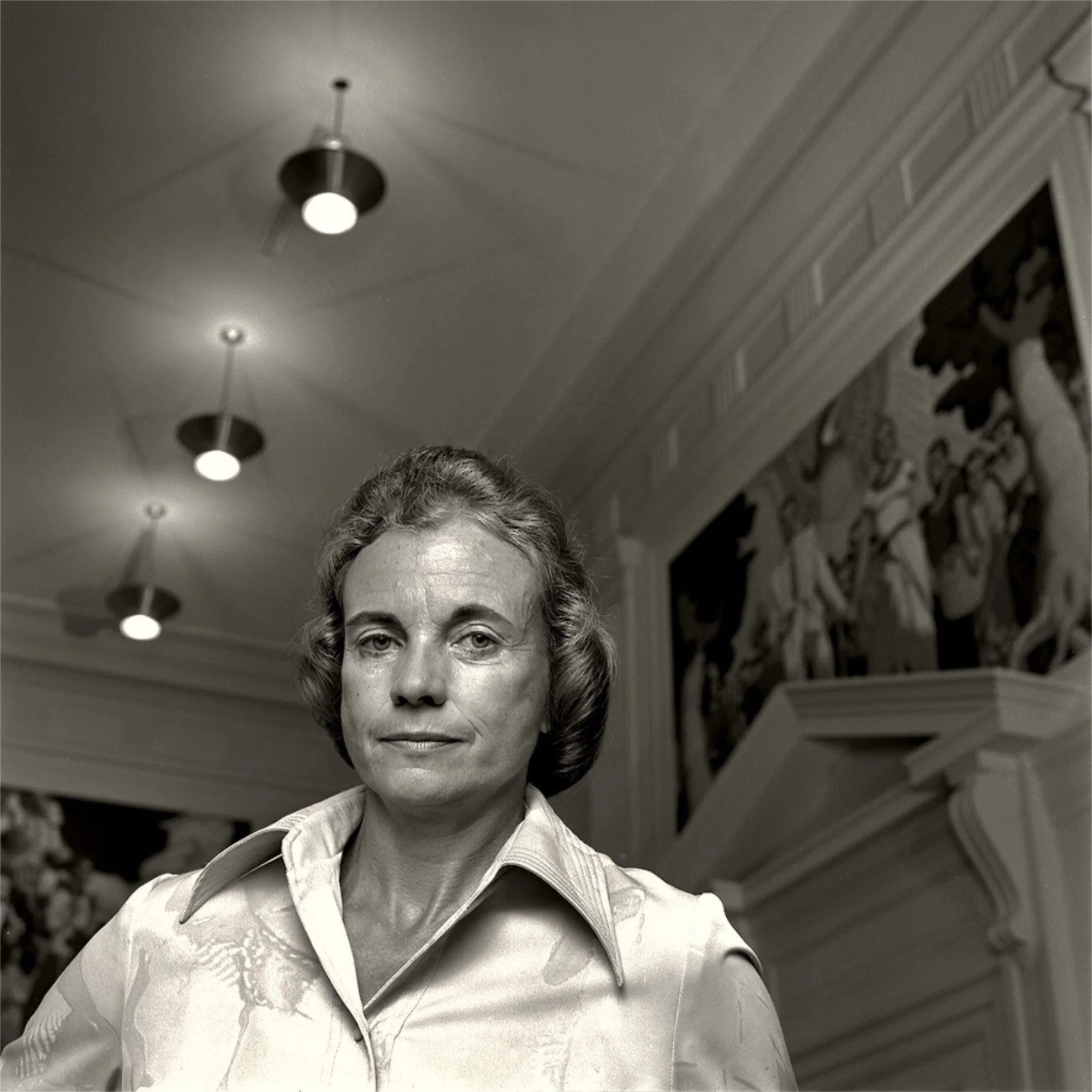
In a sentence or two, what is the purpose of portraiture?
For Zimberoff, portraiture ultimately returns to something simple and timeless.
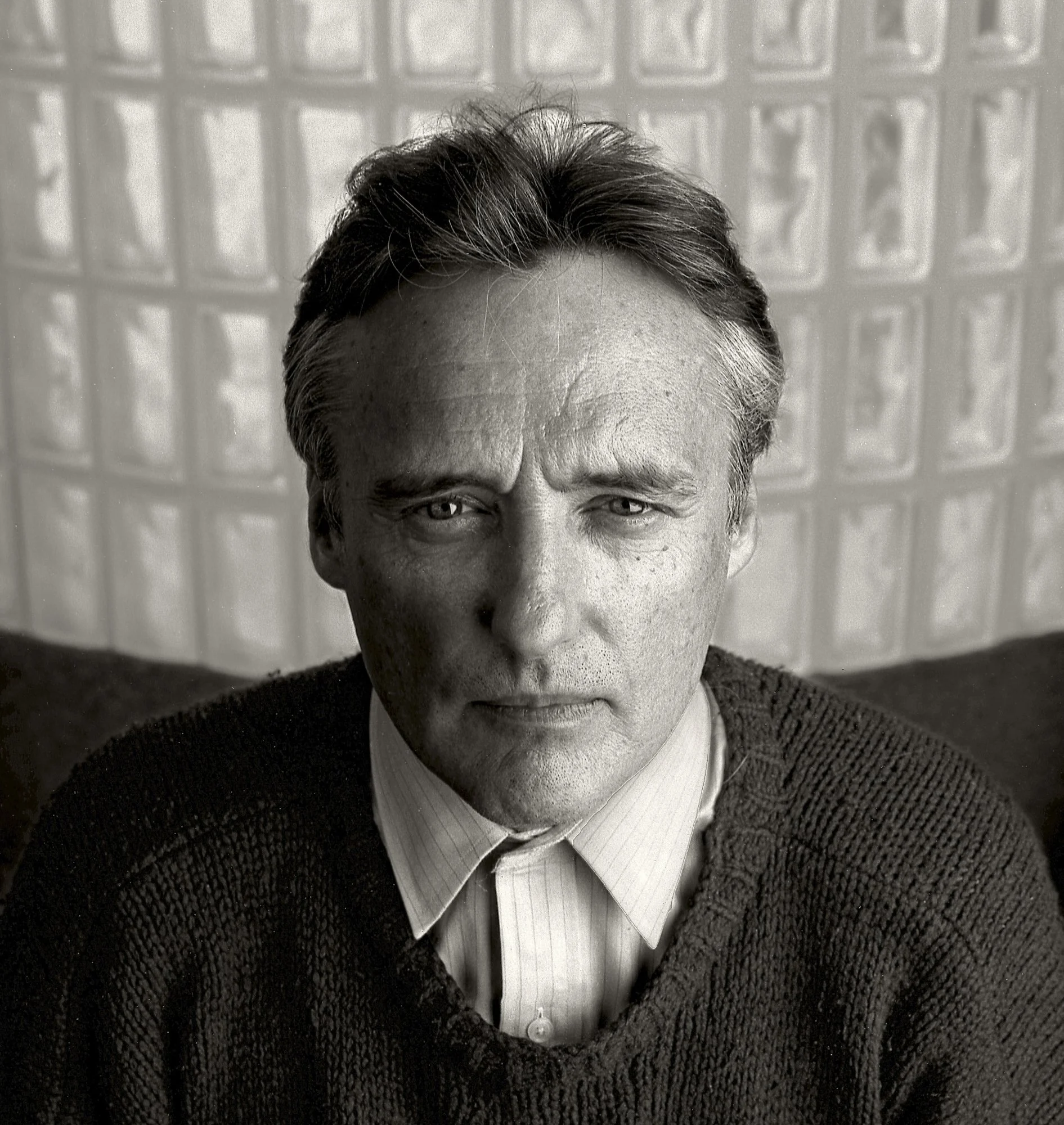
“A portrait is the still life of a human being.”
When a photograph is made, light reflects from a living person, passes through a lens, and is recorded inside the camera—but the real story happens between the two people on either side of that device.
In that brief exchange, a small piece of human presence is preserved.
When portraiture succeeds, the viewer feels that encounter long after the moment itself has passed.
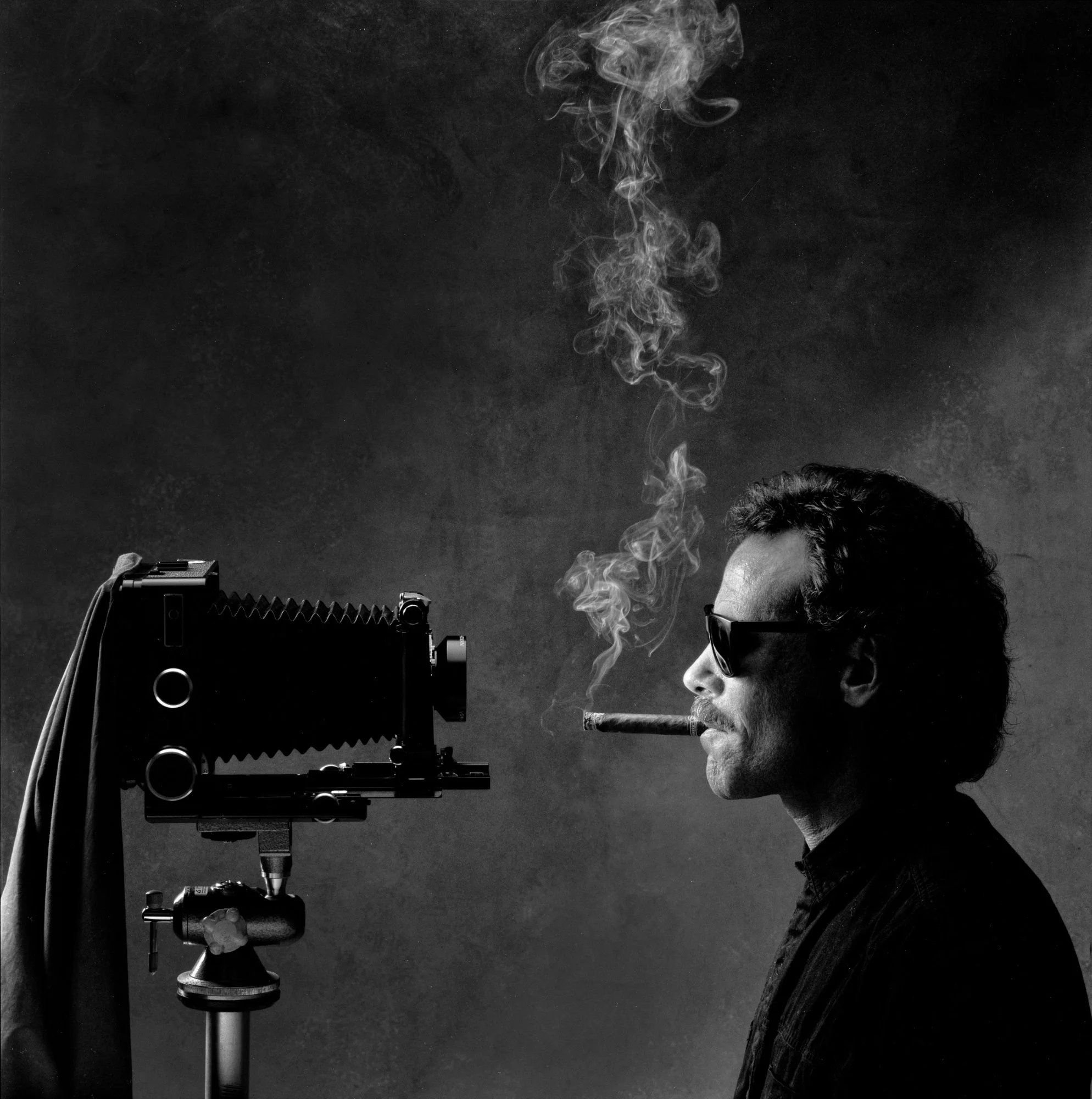
Self-Portrait by Tom Zimberoff
About Tom Zimberoff
Tom Zimberoff is a photographer whose work spans photojournalism, portraiture, and commercial photography. After studying music as a classically trained clarinetist at the University of Southern California, he shifted his focus to photojournalism and began covering major news stories around the world in association with the legendary Sygma Photo Agency.
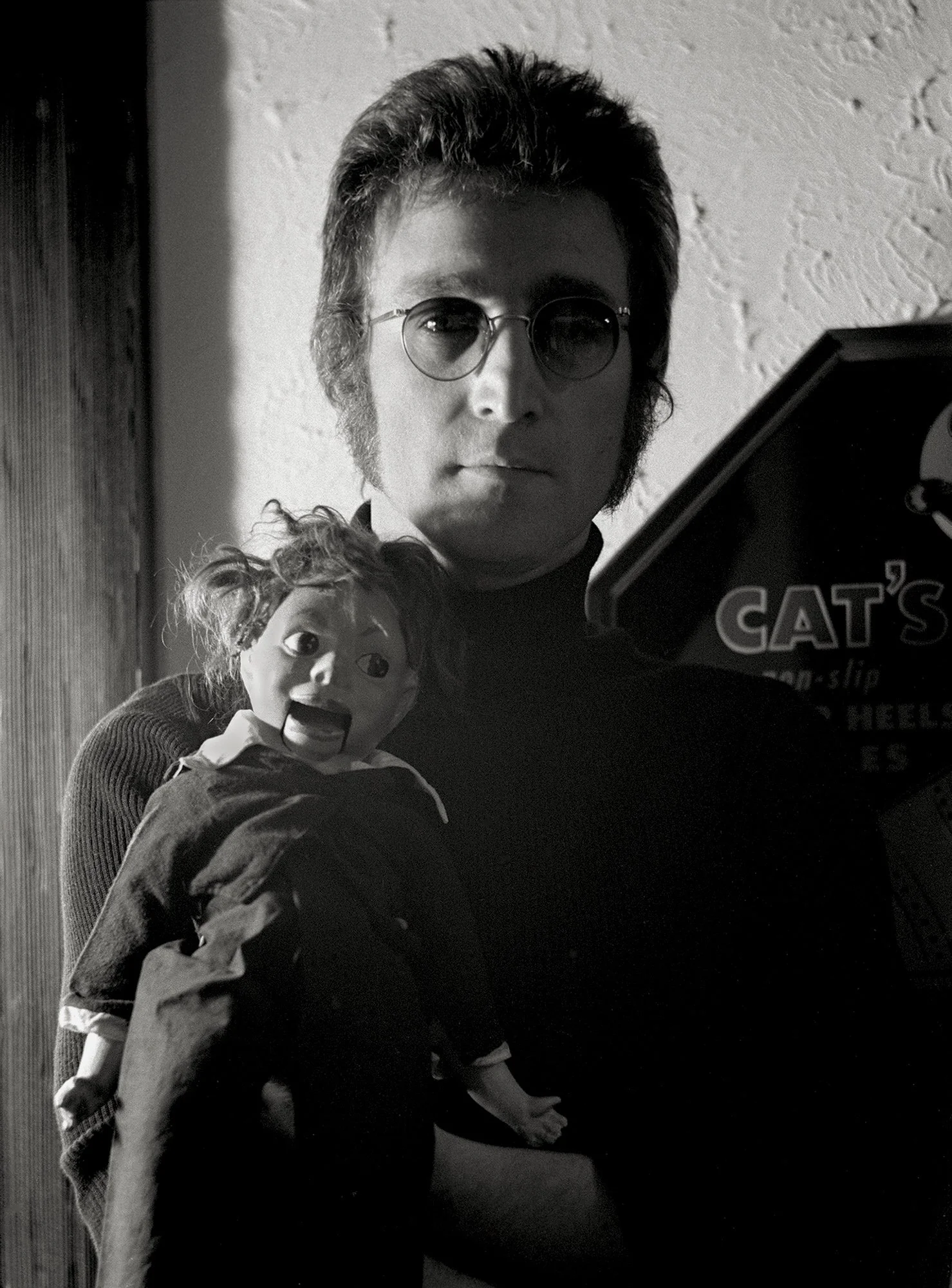
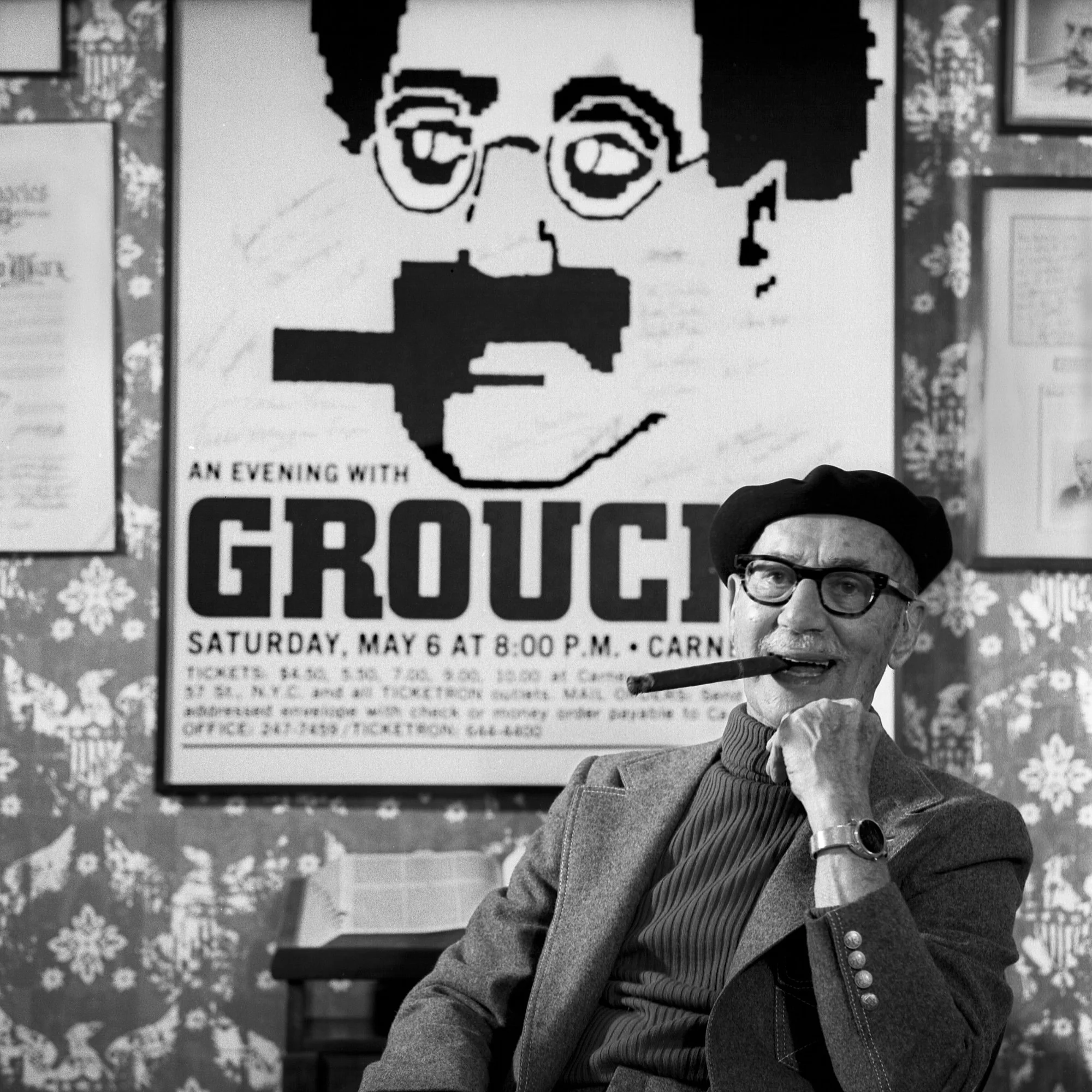
Portraiture soon became central to his career. Zimberoff has photographed hundreds of notable figures—including Groucho Marx, John Lennon, Ava Gardner, Steve Jobs, and two sitting U.S. presidents—many of them for the covers of Time and Fortune. His portraits are held in major museum collections including the National Portrait Gallery in London, the Los Angeles County Museum of Art, and the San Francisco Museum of Performance + Design.
In addition to editorial work, Zimberoff has photographed advertising campaigns for Fortune 500 companies, Hollywood studios, and the U.S. Navy. His photographic archive is preserved at the Briscoe Center for American History at the University of Texas at Austin.
Zimberoff is also the creator of PhotoByte®, one of the first business-management software platforms for photographers, and the author of Photography: Focus on Profit (Allworth Press), a widely used guide to the business of photography. He is also the author and photographer behind the two-volume book series Art of the Chopper, documenting the culture and craftsmanship of custom motorcycles.
Born in Los Angeles and raised between Los Angeles and Las Vegas, Zimberoff now lives and works in San Francisco. To see more of Tom’s work, visit his website at https://www.zimberoff.com
This interview is part of the Photo Artfolio Resources series, exploring the craft, philosophy, and practice of photography.